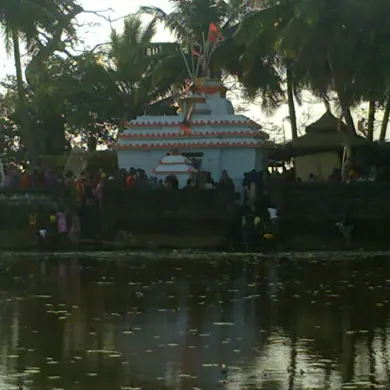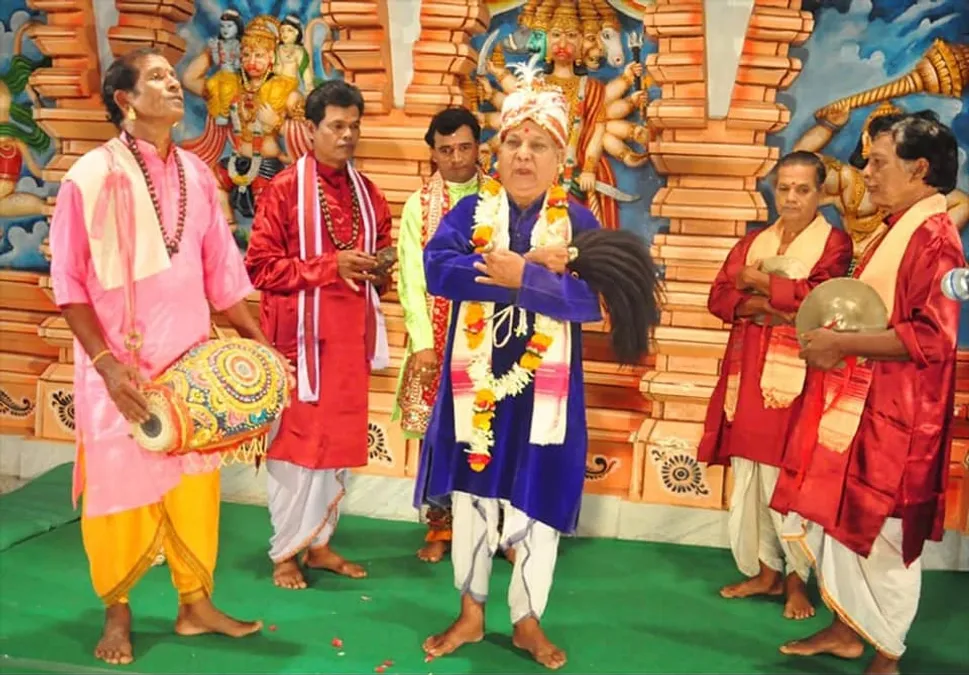

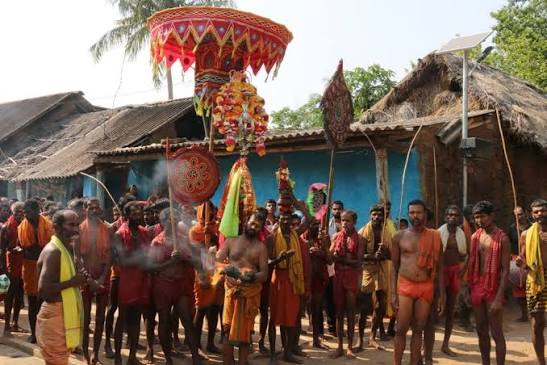
Danda Jatra (also known as Danda Nata or Danda Mahotsava) is one of the oldest folk religious and cultural traditions of Odisha. It is primarily observed in the districts of Ganjam, Gajapati, Kandhamal, Boudh, Nayagarh, and Khordha. The festival represents a unique synthesis of Shaivism, Shaktism, and indigenous folk traditions.
Historical Background
According to scholars of Odia culture, the origins of Danda Jatra can be traced to ancient Shaiva and Shakta worship practices. During the last days of the Hindu month of Chaitra, devotees undertake rigorous vows and austerities in honor of Lord Shiva and Goddess Kali. References to ritual penance, Shiva worship, and Chaitra festivals can be found in ancient Odia literature and folk traditions. With the growing influence of Shaivism during the medieval period, Danda Jatra became increasingly popular among the people of Odisha.
References in Odia Literature
- Sarala Das’s Mahabharata
Sarala Das’s Odia Mahabharata contains descriptions of Shiva worship, penance, and religious practices involving physical austerity. Scholars often associate these elements with the later development of the Danda Jatra tradition.
- Panchasakha Literature
The writings of Jagannath Das, Balaram Das, and other Panchasakha poets emphasize devotion, self-discipline, renunciation, and the use of the body as a means of spiritual practice. These ideas bear strong similarities to the vows and disciplines observed by Danda devotees.
- Upendra Bhanja and Medieval Odia Poetry
Medieval Odia literature frequently depicts Lord Shiva, Goddess Parvati, Goddess Kali, and various folk festivals. These literary works provide valuable insights into the religious and social environment in which Danda Jatra evolved.
- Works on Odishan Folk Culture
Researchers such as Dr. Kunjabihari Dash, Dr. Mayadhar Mansingh, Dr. Harekrushna Mahatab, and others have described Danda Jatra as one of Odisha’s most ancient folk-theatrical and folk-religious traditions in their studies on Odishan culture.
Religious Significance
Danda Jatra symbolizes the worship of Lord Shiva and the Divine Mother (Shakti).
Devotees observe fasting, physical austerities, and strict religious disciplines.
Rituals such as walking over fire, performing Danda Pranama (prostration), and water-related penances are regarded as acts of devotion and spiritual purification.
Social and Cultural Importance
Danda Jatra is not merely a religious festival; it is also an important medium of folk theatre, music, dance, and community participation. Performances often portray mythological stories, social messages, and aspects of rural life, thereby preserving and promoting Odisha’s rich cultural heritage.
Conclusion
Danda Jatra is one of the most ancient and vibrant living traditions of Odisha. While its roots lie in Shaiva-Shakta religious practices, it has evolved into a significant expression of folk theatre, music, and community culture. Odia literary works, folk narratives, and scholarly studies collectively highlight its historical depth and cultural significance in the heritage of Odisha.