
Situated on the northern fringe of Chilika Lake, Asia’s largest brackish water lagoon, Mangalajodi has a rich maritime and water based cultural heritage. For centuries, the lives of its people have been closely connected with the waters of Chilika through fishing, boating, water transport, wetland resource management, and trade. This unique relationship between the community and the lagoon has shaped the village’s economy, traditions, folklore, and way of life.
Historical Connection with Chilika
Long before modern roads connected the region, waterways served as important routes for communication and transportation. The people of Mangalajodi depended on boats for travel, fishing, and the movement of goods across different parts of Chilika. The lagoon acted as a natural highway linking villages and markets along its shores.
The strategic location of Mangalajodi near Chilika enabled its inhabitants to develop specialized knowledge of navigation, seasonal water conditions, fish migration patterns, and wetland ecology. This knowledge was passed from one generation to another and became an integral part of local culture.
Traditional Boat Culture
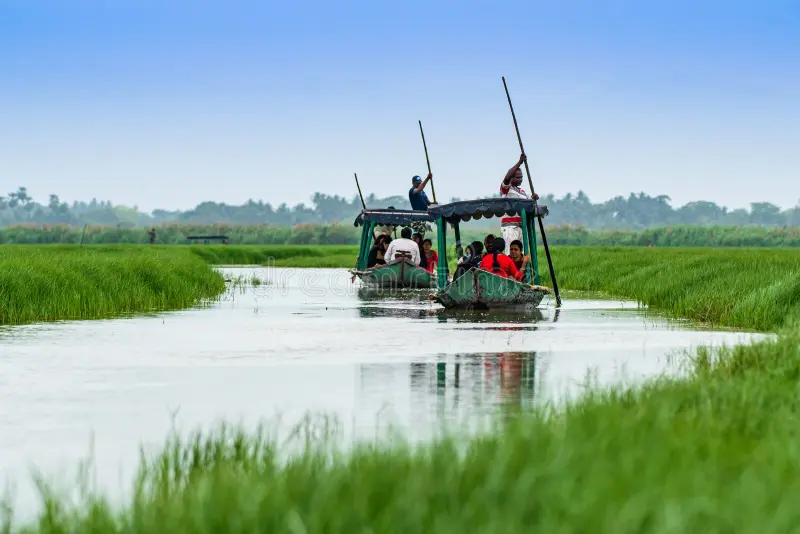
Boats have always been central to life in Mangalajodi. Traditional wooden boats were used for:
- Fishing and fish trading
- Transportation across the lagoon
- Collection of aquatic resources
- Religious and cultural activities
- Communication with neighbouring villages in Chilika
- The craftsmanship involved in constructing and maintaining these boats reflects the maritime skills of the local people.
Fishing Traditions
Fishing has historically been one of the principal occupations of Mangalajodi. Local fishermen developed indigenous techniques suited to the unique ecosystem of Chilika. Knowledge of tides, winds, fish breeding seasons, and aquatic habitats formed an important part of community life. Fishing activities influenced local customs, seasonal festivals, songs, and social practices. Many families derived their livelihood directly or indirectly from the lagoon’s resources.
Folk Traditions and Religious Beliefs
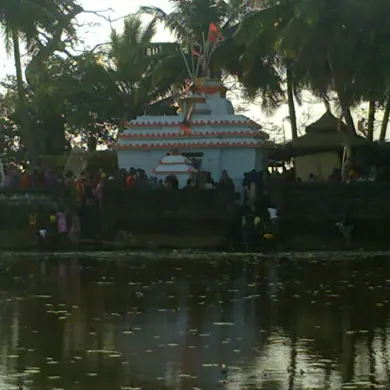
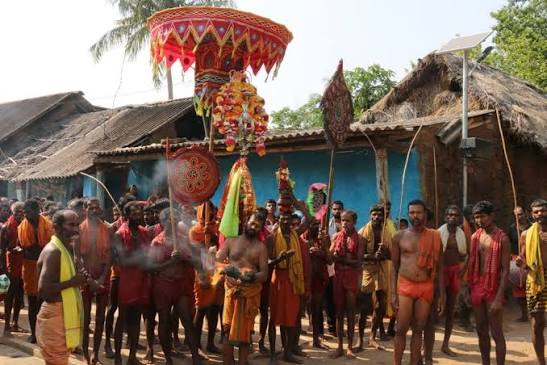
The maritime culture of Mangalajodi is closely linked with local religious traditions. Fishermen and boatmen traditionally sought blessings from deity before undertaking important journeys or fishing expeditions. Temple dedicated to goddess Maa Kalijai played an important role in safeguarding the community. Many local legends, folk songs, and oral traditions reflect the people’s relationship with water, boats, storms, fish, and the divine forces believed to protect them.
Trade and Economic Activities
Historically, Chilika facilitated local trade among settlements around the lagoon. Fish, agricultural products, and other commodities were transported by boat. The people of Mangalajodi participated in these economic exchanges, contributing to the prosperity of the region. The village’s location also enabled cultural interactions with neighbouring communities, enriching local traditions and customs.
Transformation and Conservation
In recent decades, Mangalajodi has become internationally recognized for its remarkable wetland conservation efforts and migratory bird habitat. Former bird hunters transformed themselves into conservationists, creating one of India’s most successful community-led conservation models. Today, traditional boat skills continue to be used for eco-tourism, bird watching, and wetland conservation. The maritime heritage of Mangalajodi has thus evolved from a livelihood based culture into an important component of sustainable tourism and environmental stewardship.
The maritime culture of Mangalajodi represents a unique blend of ecological knowledge, traditional skills, religious beliefs, and community values. Rooted in centuries of interaction with Chilika Lake, this heritage continues to define the identity of the village and remains an important part of its cultural legacy.
Mangalajodi’s boats, fishermen, waterways, and wetland traditions are not merely aspects of its past, they continue to connect the community with its history while supporting its future as a globally recognized eco-tourism destination.