
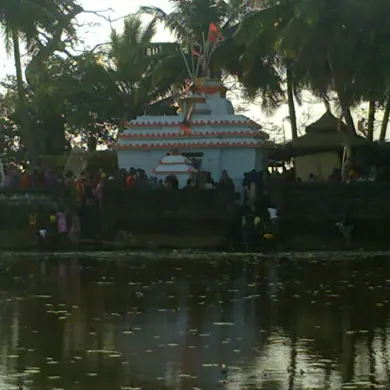
Nestled in the historic village of Mangalajodi on the northern fringe of Chilika Lake, the Nilakantheswar Temple stands as a symbol of faith, tradition, and cultural heritage. Dedicated to Lord Shiva, worshipped here as Sri Sri Nilakantheswar Mahadev, the temple has been a revered place of worship for generations and occupies a special place in the spiritual life of the village.
Ligendry Background
According to local tradition, the temple was originally known as Jhuntikeswar Temple and was later renamed Nilakantheswar Temple. While the exact date of its construction remains uncertain, Village folklore states that the temple was constructed within seven days, although no historical records have yet confirmed this tradition. The temple has long been a center of Mangalajodi and is traditionally served by members of the Mahapatra (Mali) community. Village folklore suggests that the temple was built within a remarkably short period, reflecting the devotion and collective effort of the local community. Over the years, the shrine has evolved into one of the most important religious place of Mangalajodi.
Religious Significance
The temple serves as a center of Shaiv worship, attracting devotees from Mangalajodi and neighboring villages. Lord Shiva, revered as the protector and benefactor of the community, is worshipped with deep devotion through daily rituals, special pujas, and annual festivals. The spiritual atmosphere of the temple offers a place for prayer, reflection, and community gathering.
Festivals and Celebrations
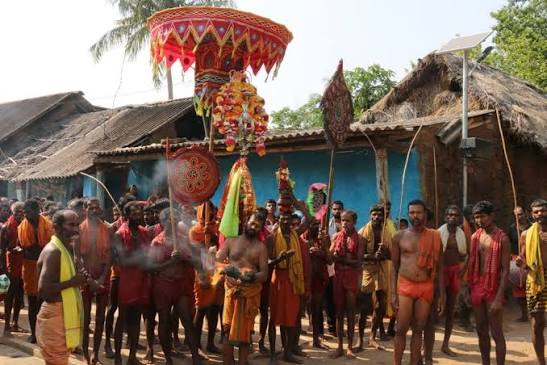
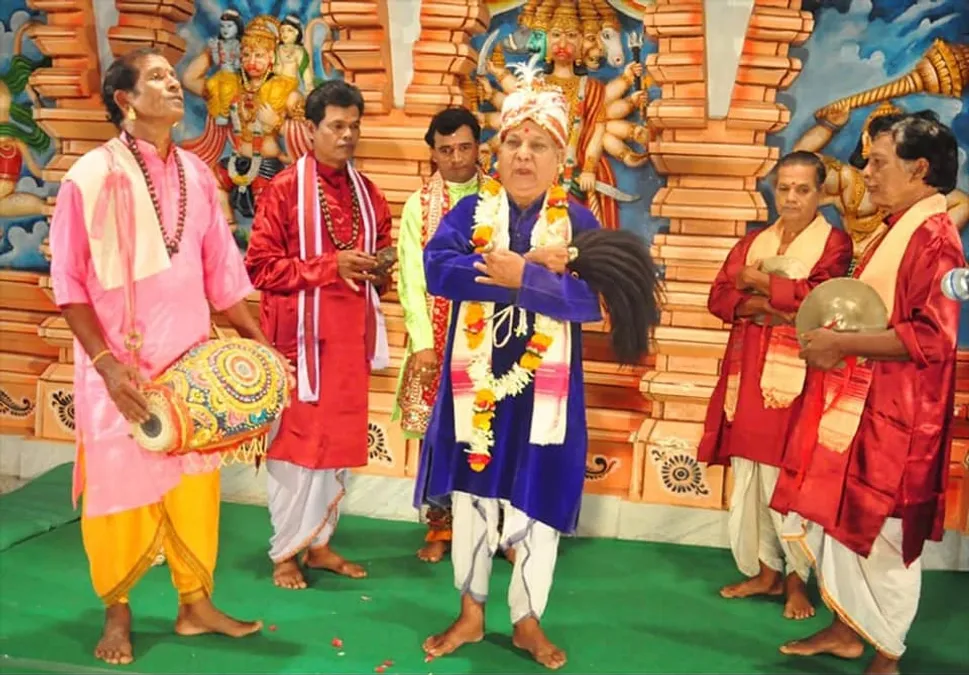
Among the major religious events associated with the temple, the Sheetal Sasthi Utschab and Biswo Shanti Rudra Maha Yajna, a grand spiritual ceremony organized for universal peace and well being. The temple also witnesses large gatherings during Maha Shivaratri, when devotees observe fasting, offer prayers, and participate in night long worship dedicated to Lord Shiva.
Architectural and Cultural Importance
Though modest in scale compared to Odisha’s larger temple complexes, Nilakantheswar Temple represents the enduring architectural and cultural traditions of rural Odisha. Its presence reflects the village’s rich heritage and the deep rooted religious values that have been preserved through generations.
Role in Social Life
Beyond its religious functions, the temple plays a vital role in fostering social unity and cultural continuity. Many village ceremonies, religious gatherings, and community activities are associated with the temple, making it an integral part of Mangalajodi’s identity.
Preserving a Living Heritage
Today, Nilakantheswar Temple continues to inspire devotion among residents and visitors alike. As Mangalajodi gains recognition for its ecological significance and bird conservation efforts, the temple remains a reminder of the village’s equally rich spiritual and cultural legacy.
Nilakantheswar Temple is not merely a place of worship, it is a living testament to the faith, history, and traditions that have shaped Mangalajodi for generations.rly studies collectively highlight its historical depth and cultural significance in the heritage of Odisha.