
On the northern edge of Chilika Lake in Odisha lies a quiet wetland village called Mangalajodi. At first glance, it may seem like just another village surrounded by water, reeds and green fields. But Mangalajodi carries a remarkable story of land, livelihood, birds and a community that slowly changed its relationship with nature.
For generations, the wetlands of Mangalajodi have been closely connected with the lives of local people. Fishing, farming and other activities around the water provided livelihoods for families. The shallow waters and marshes also offered an ideal habitat for thousands of migratory birds that arrived every winter.
For a long time, however, these birds were hunted. Their arrival brought an opportunity for some villagers to earn money, and bird hunting became part of the local economy. As the years passed, the pressure on the wetland and its wildlife increased. Then something began to change.
Conservation groups and local communities started working together to protect the birds and the wetland. Former hunters gradually found another way to earn a living: instead of chasing the birds, they began guiding visitors who came to see them.
This change was more than a change of occupation. It was a change in attitude. The same boats that once could have been used to approach birds for hunting became boats for bird watching. People who knew every corner of the wetland became guides. Their knowledge of the seasons, waterways and bird movements became valuable not for taking wildlife, but for protecting it.
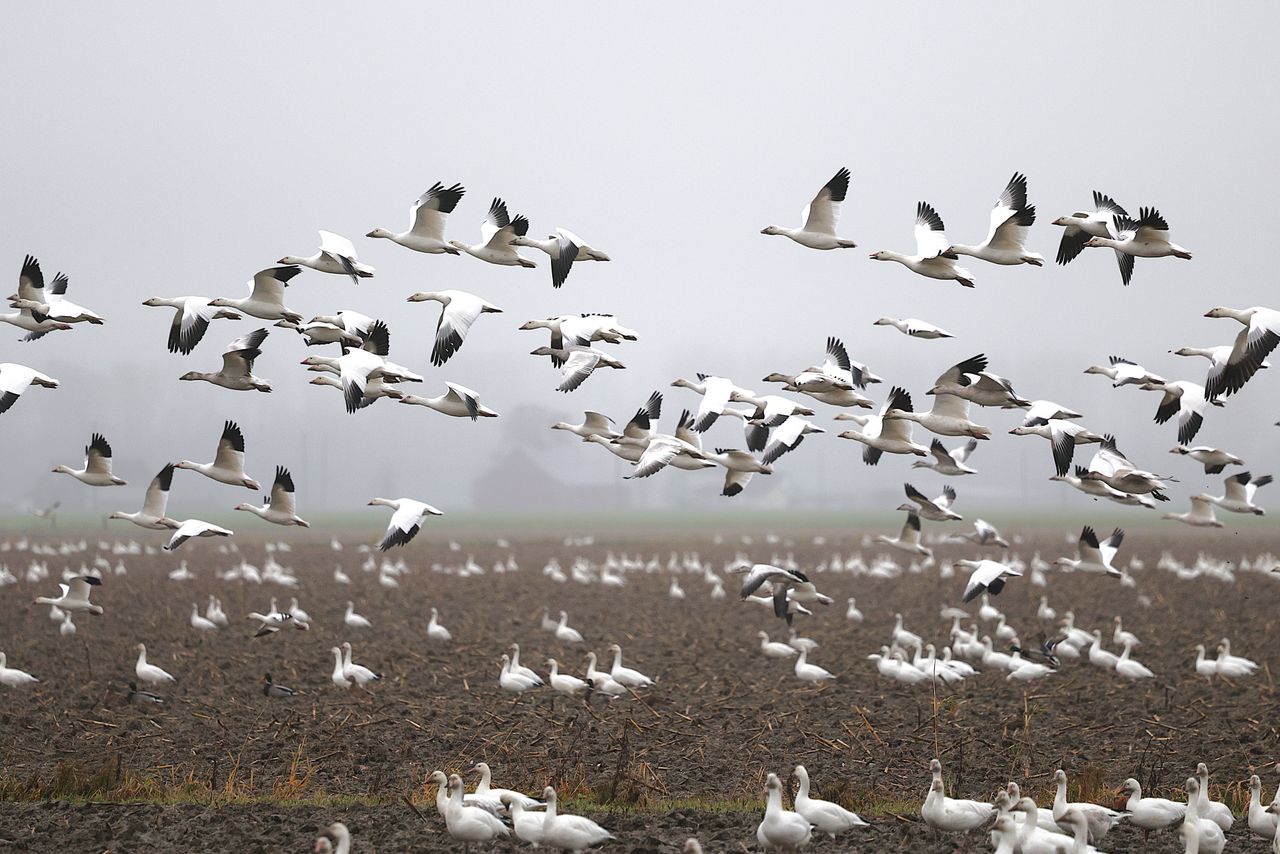
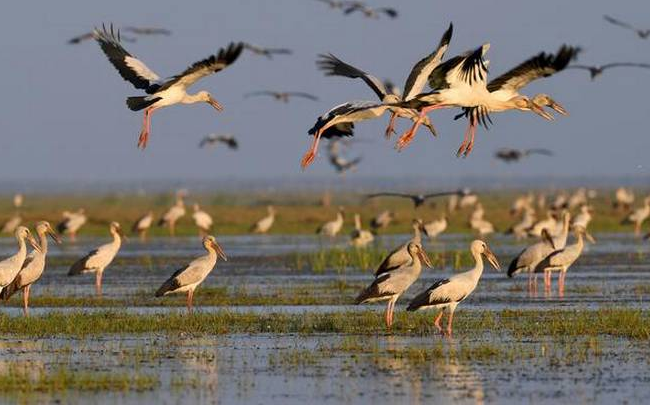
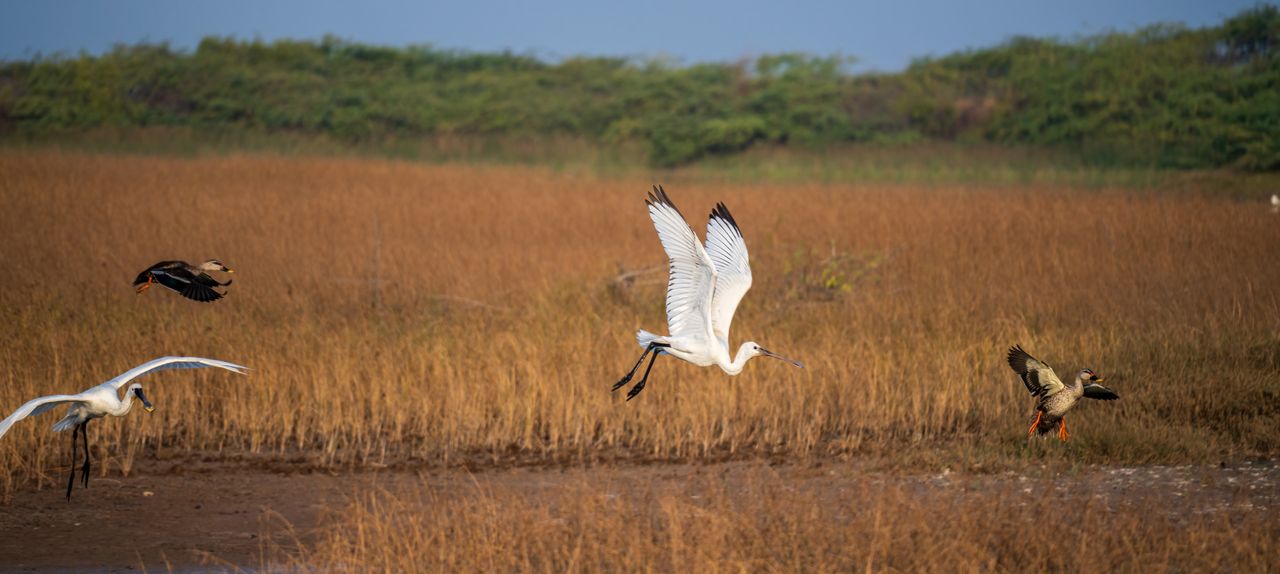
Today, during the winter months, Mangalajodi comes alive with birds. Herons, ducks, jacanas, storks and many other migratory species gather across the wetlands. The morning mist rises over the water as boats move quietly through the reeds, and the calls of birds replace the noise of the outside world. But the most beautiful part of Mangalajodi’s story is not simply the number of birds that arrive each year. It is the story of the people who learned that protecting nature could also protect their own future.
Mangalajodi reminds us that land is never merely land. A wetland can be a source of food, a home for wildlife, a livelihood for a community and, eventually, a place where conservation and human life can exist together. Its story is therefore not just about birds. It is about a community changing its relationship with the land and discovering that sometimes, protecting what surrounds us is the best way to protect ourselves.