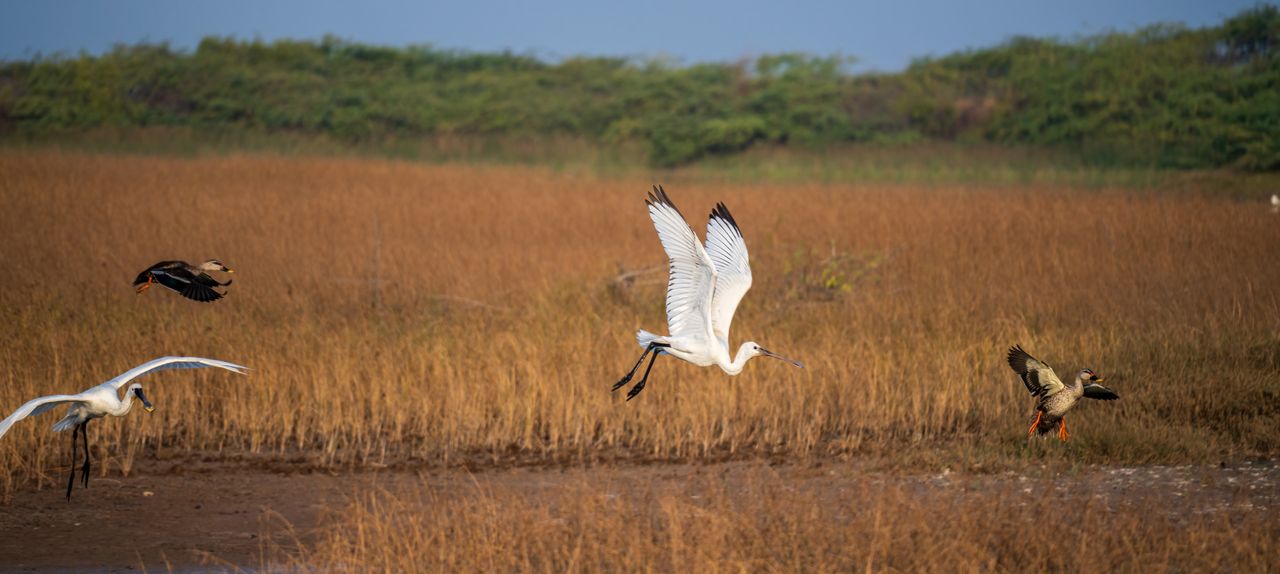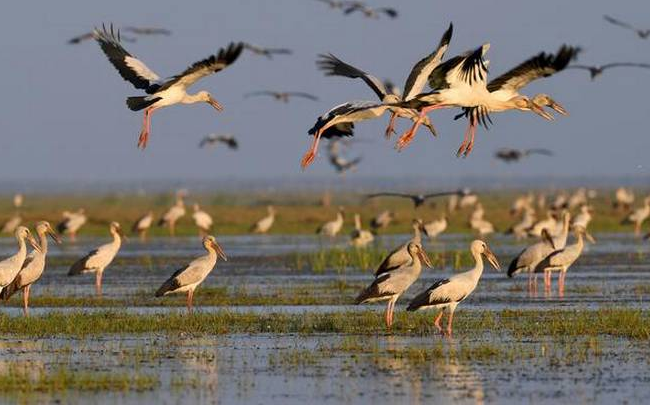

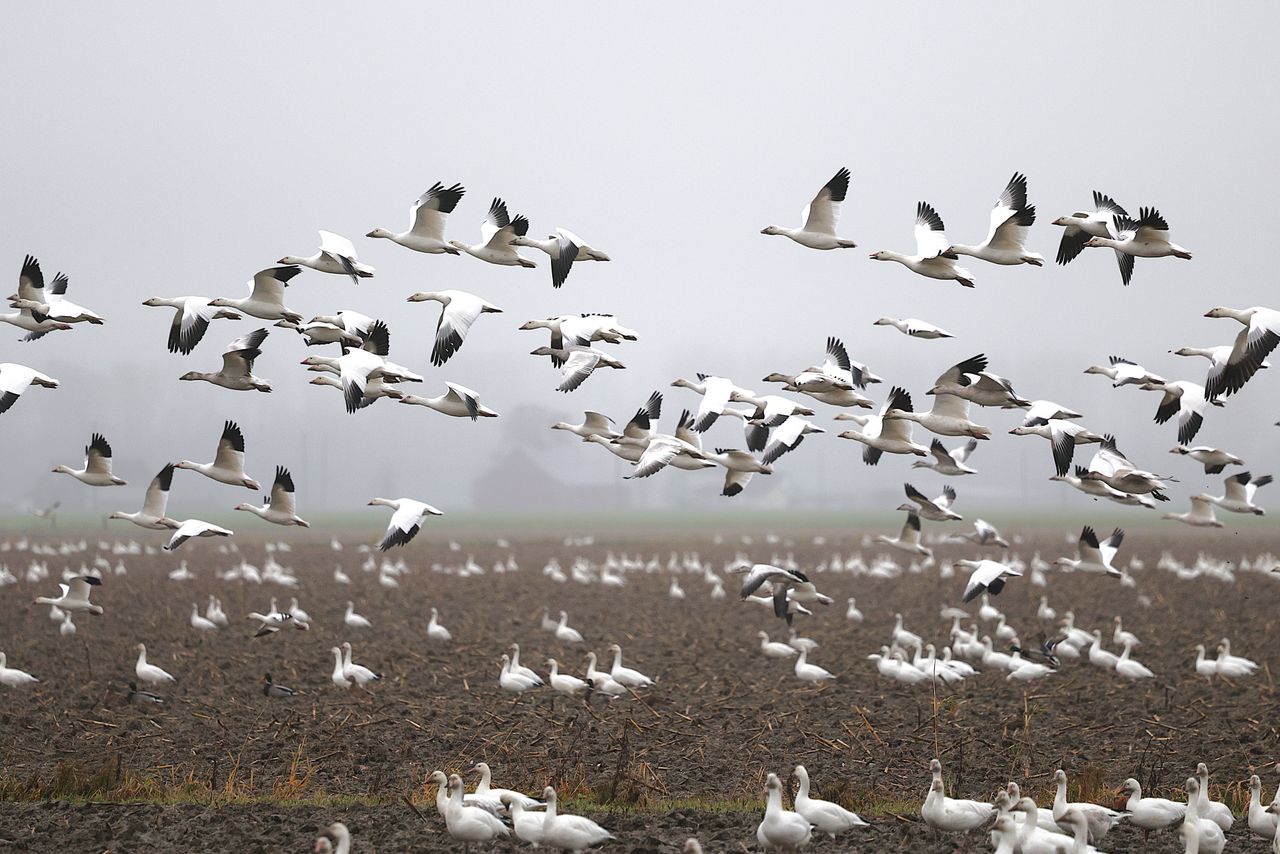
There are places we visit for a day, and then there are places that make us slow down, observe, and learn. Mangalajodi Wetland, on the northern edge of Chilika Lake in Odisha, is one such place. Known for its spectacular concentration of migratory and resident birds, Mangalajodi is much more than a bird-watching destination. It is a living classroom for researchers, environmental students, photographers, nature enthusiasts and anyone curious about the relationship between people and wetlands.
A Classroom Without Walls
For students studying environmental science, ecology, zoology, geography and related subjects, Mangalajodi offers something that no textbook can fully provide.
Here, the wetland can be observed directly. The changing water levels, vegetation, aquatic life, birds and local livelihoods all become part of a larger lesson about ecosystems.
A field visit can turn an ordinary academic topic into something tangible: instead of simply reading about wetland biodiversity, students can watch birds feeding in shallow water, observe wetland plants, understand the importance of habitat and see how local communities depend on the ecosystem.
For research scholars and environmental researchers, Mangalajodi provides an opportunity to study a dynamic landscape where biodiversity, conservation and human livelihood meet.
A Destination for Photography
- Mangalajodi also has a special attraction for photographers.
- The early morning light over the wetland can transform the landscape into shades of gold and silver. Boats move slowly through narrow waterways while birds rise from the reeds and settle back onto the water.
- For bird photographers, the winter season is particularly rewarding. Migratory birds arrive in large numbers, creating countless opportunities to capture behaviour, flight, feeding and interaction.
- But good photography here is not simply about getting a beautiful picture.
- It is about patience and observation.
A photographer may spend several minutes waiting quietly for the right moment a bird taking flight, a reflection appearing perfectly on the water, or the morning sun illuminating a flock. The wetland teaches photographers to slow down and notice details that are easily missed.
Learning from the People of the Wetland
One of the most meaningful aspects of Mangalajodi is its community story.
The wetland has witnessed a transformation in the relationship between people and birds. Conservation initiatives helped encourage local communities to move away from bird hunting and toward protecting the wetland and developing nature-based livelihoods.
Local boatmen and guides possess an intimate knowledge of the waterways and wildlife. Their experience adds another dimension to a visit. They can often recognize birds, understand their seasonal movements and know where visitors may have the best opportunity to observe them without disturbing the wildlife.
Their knowledge is a reminder that conservation is not only about protecting a landscape; it is also about involving the people who call that landscape home.
A Field Laboratory for the Future
- Mangalajodi is particularly valuable because it brings several subjects together in one landscape.
- For a student, it can be a field laboratory.
- For a researcher, it can be a place for observation and documentation.
- For a photographer, it can be a remarkable natural studio.
- For a traveller, it can be a peaceful escape.
- And for a conservationist, it can be an example of how communities and nature can move toward a more sustainable relationship.
Visit, Observe, Learn and Leave No Trace
A visit to Mangalajodi is best experienced with respect for the wetland. Wildlife should be observed without disturbance, and visitors should avoid littering, loud behaviour and activities that interfere with birds or their habitat.
The real beauty of Mangalajodi lies not only in what we can take home through photographs, but in what we can learn from the place.
As the boat moves quietly through the wetland and birds appear against the morning sky, Mangalajodi seems to offer a simple lesson:
Nature is not a laboratory separate from us. It is a living system of which we are a part.
And perhaps that is why Mangalajodi continues to attract researchers, students, photographers and nature lovers not merely to see a wetland, but to understand it.
Mangalajodi is where the classroom has no walls, the laboratory is alive, and every morning brings a new lesson.